Air Conditioning
September 23, 2026
A2L Refrigerants Explained: What the 2026 Transition Means for Your AC
2026 has brought some noteworthy shifts in the HVAC industry. We've discussed the new SEER2 changes in a previous blog, but this isn't the only change the year has brought. If you've been shopping for a new AC or scheduled a repair recently, your technician may have mentioned "A2L refrigerants" or the R-410A phase-out. This is a real industry change, but it's not something homeowners need to worry about. Here's what is actually happening and what it means for your home.
What Are A2L Refrigerants and Why Are They Replacing R-410A?
R-410A has been the industry standard in refrigerants for more than 2 decades in residential air conditioners and heat pumps. In 2020, the EPA passed the American Innovation and Manufacturing (AIM) Act. This shifted the industry toward refrigerants with a much lower Global Warming Potential (GWP). This is a measure of how much a refrigerant contributes to atmospheric warming if it leaks.
R-410A has a GWP of 2,088. The new refrigerants that are replacing R-410A, namely R-454B and R-32, come in at 466 and 675, respectively. That's a significant reduction. As of January 1, 2025, manufacturing and import of any new R-410A equipment has stopped nationwide. New residential AC and heat pump systems produced today use A2L refrigerants instead.
Is This a Safety Concern?
For the average homeowner, this is not a safety concern. In fact, A2L refrigerants are classified as “lower toxicity, mildly flammable.” They are a significant step up in flammability rating from R-410A. Neither is anywhere near as flammable as refrigerants like propane, which is A3 classified.
New A2L systems are engineered with safety in mind. They have built-in leak detection sensors that automatically shut down the system if refrigerant accumulates. When they are properly installed and serviced, A2L systems are completely safe for residential use.
What “Mildly Flammable” Actually Means
"Mildly flammable" might sound alarming. But in practice, it's really not that concerning. A2L refrigerants require a high concentration in the air and a strong ignition source to combust. These conditions are rare in a properly installed residential system.
The more significant change is on the professional side. New technology also requires updated training and certification for installers. Technicians need to know how to safely handle, recover, and recharge A2L refrigerants. Specific leak-detection and ventilation procedures are particularly important. But that's a change for us contractors to worry about. It doesn't require any extra precautions on your part.
Does This Affect My Current AC System, or Only New Installations?
If you have a working R-410A system, you don't need to replace it because of this transition. R-410A remains legal to use to service and recharge existing systems. It mainly affects new installations. When it comes time to purchase a new system, this will affect what's available going forward.
What Happens If My System Needs a Refrigerant Refill in the Future?
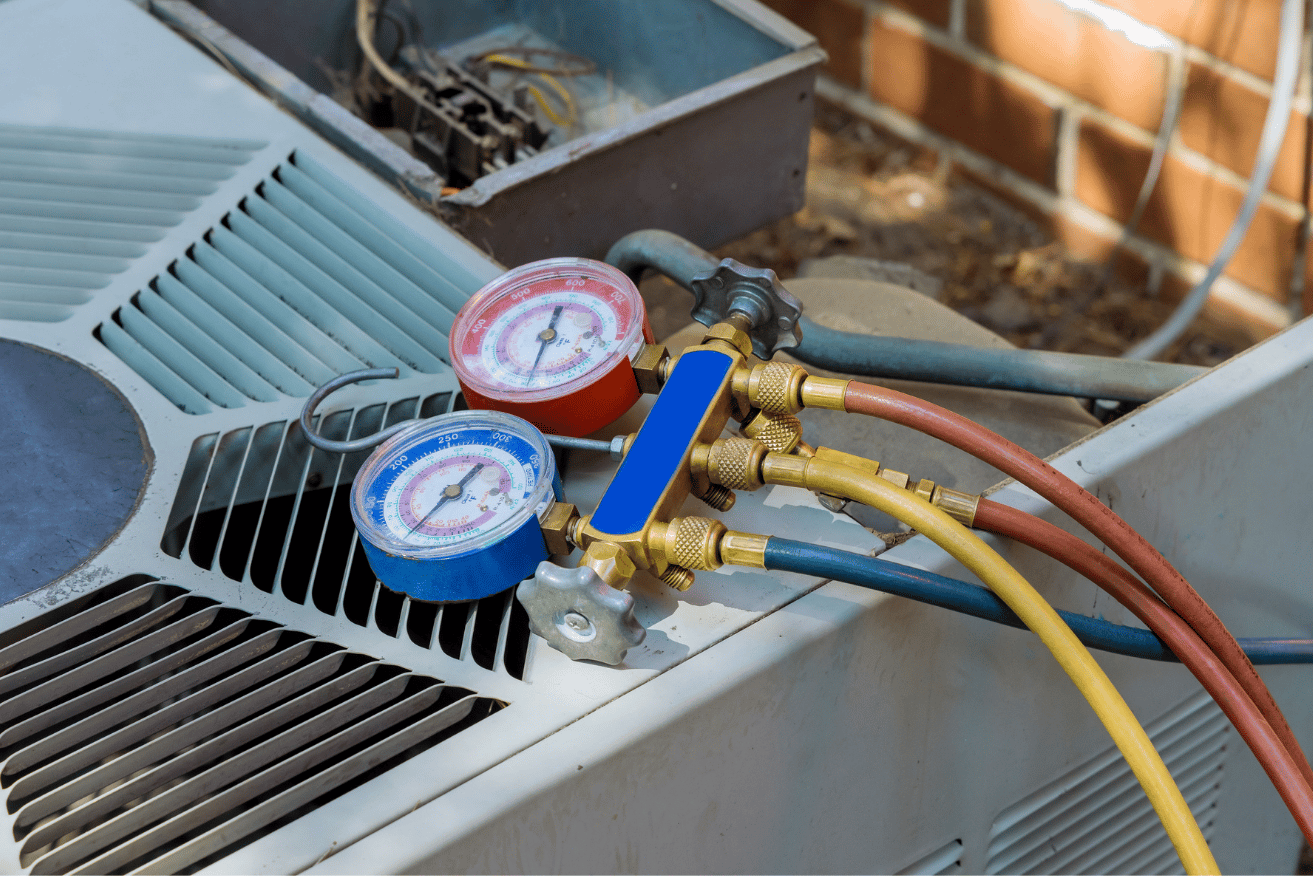
If you currently have a system that uses R-410A, our technicians can still service and recharge it. That said, since production of new R-410A supply has stopped, availability will tighten over time. This may mean refrigerant costs gradually increase for older systems. One important note: never mix refrigerants. An R-410A system must continue to be serviced with R-410A. Never switch it to an A2L refrigerant. If your system is older, ask us about its long-term outlook during a routine maintenance visit.
What Should Florida Homeowners Know Before Their Next HVAC Purchase?
A few practical takeaways as you plan ahead:
- If your current AC is working well, there's no need to replace it because of this transition. R-410A systems remain serviceable.
- If you are shopping for a new system, expect A2L refrigerant. Nearly all new residential equipment on the market today uses R-454B or R-32.
- Make sure your technician is A2L certified. Installing and servicing A2L systems requires updated training. Ask about certification when choosing an HVAC provider.
- Florida's heat and humidity make regular maintenance especially important, regardless of which refrigerant your system uses. A well-maintained system, old or new, will always perform better and last longer.
Parker Services is Here to Help You Navigate This Change
If you have questions about your current system, an upcoming replacement, or what this transition means for your specific home, call us. Our team at Parker Services is happy to walk you through it. We've been serving Tallahassee and Thomasville families for over three decades. Staying current on changes like this helps us to keep your home comfortable for the long run.