Indoor Air Quality
March 5, 2026
Humidity is Coming: Protect Your Home’s Air Quality Before Summer
As we head into March, the first day of spring is fast approaching, and with it, the temperature and humidity are rising. As they rise outdoors, the air indoors usually follows close behind.
Excess moisture in the home doesn't just feel uncomfortable; it can cause damage to furniture and fixtures. It can also negatively impact the indoor air quality. Indoor humidity encourages the growth of mold, allergens, and airborne irritants. The good news is that you can take positive steps now to mitigate the effects of humidity in your home.
By handling a few tasks now, you can create a healthier environment ahead of summer, when the most humid months arrive. Here is how you can protect your home's air quality before the summer humidity sets in.
Service Your HVAC System Early
You've heard it said that an ounce of prevention is worth a pound of cure. When it comes to your HVAC, no statement sums up better why timely maintenance is so important.
Once summer heats up, your system will be working overtime trying to keep you and your family cool. If you skip maintenance in the spring, you run the risk of ending up without AC during some of the hottest days of the year.
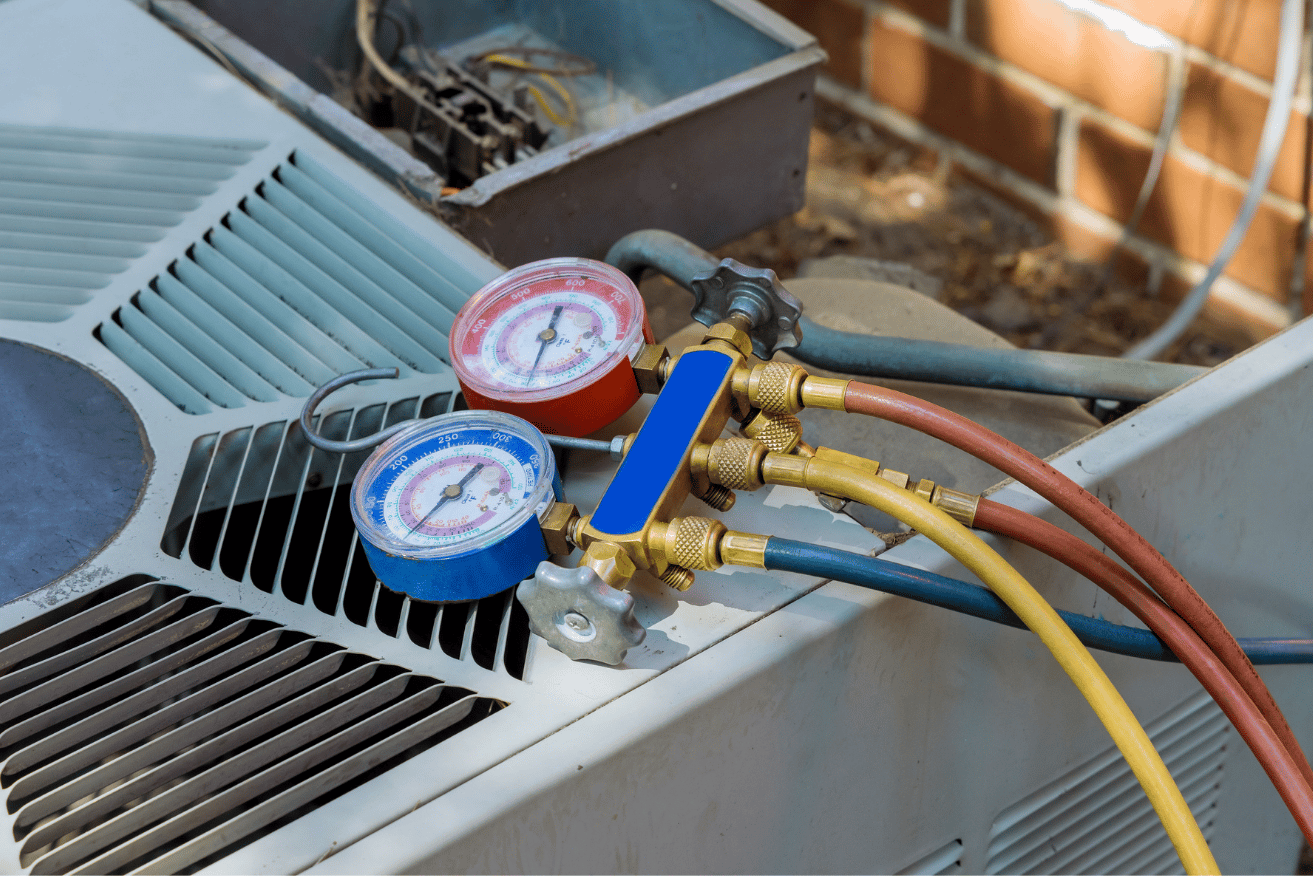
A professional tune-up in the spring will set you on the right track to a cool, comfortable, dry home in summer. Tasks like cleaning coils, checking refrigerant, inspecting drains, and checking blower performance are all standard maintenance.
Your HVAC system removes humidity from your home, and if it's not working properly, it will do a subpar job of it. A well-maintained system will also be more energy efficient, which saves money on those steep summer utility bills.
Upgrade Your Air Filters
Upgrading your filters is the simplest upgrade to your HVAC system that has an immediate impact. Dirty filters worsen humidity and airflow problems. They put your indoor air quality at risk by leaving you with allergens, dust, mold spores, and pet dander circulating throughout the house.
It's a good idea to upgrade or replace your HVAC filter before the spring pollen ramps up. Spring pollen, paired with summer humidity, has a negative impact on your air quality. Take care of these now to keep the air moving freely and cleanly through your system.
Seal Air Leaks
Humidity can be sneaky, creeping into the home through hidden pathways. It's reported that 20-30% of the air that moves through your ducts gets lost through leaks, holes, and poor connections. Those same leaky spots let moisture in, and it circulates through your home.
Other common spots for leaks include attic hatches, crawl spaces, windows, doors, and even recessed lighting. By sealing up these leaks, you can save all that cool air from escaping, which saves money. It also keeps the humidity out, which lessens the load on your HVAC system in general.
Control Indoor Humidity
You can't do much about the humidity level outdoors, but there are ways to reduce it inside the home. One way is through your HVAC system. Smart controls help regulate moisture levels. However, in particularly humid climates, other methods may be necessary.
A whole home, or even just a room dehumidifier, can help remove some moisture from your home's air. Placing them in rooms that are more humid, central, and in the basement makes the greatest impact. Also, make sure that the exhaust fans in your kitchen and bathrooms are functioning properly.
Check Problem Zones for Hidden Moisture
Moisture issues often start in the places we look least. Small leaks can fly under the radar for long periods, creating mold growth and air quality concerns.
It's wise to have HVAC professionals come and inspect your system for leaks, but there are other places you can look at on your own. Check under sinks, around windows, near water heaters, and other water holding appliances.
Clean and Protect Ductwork
Finally, cleaning and protecting your ductwork is an important part of protecting your home from the negative effects of humidity. This alone can save energy and make your HVAC system operate more effectively. It's also vital to keep the air in your home clean.
One of the primary issues that moisture in the home causes is mold growth. You may not see it in the visible places, but in your ducts, you could have massive amounts of dirt and debris built up.
Microbial pathogens can get trapped in your ductwork, where they then come in contact with moisture. During times of high humidity, there is more moisture, which causes them to grow. This leaves mold in your ducts, but it doesn't stay there.
The air circulates through your ducts and is pushed out through vents into your home. Mold spores in the air contaminate the air quality in your home and can lead to serious illness.
Proper duct sealing and insulation are strong safeguards against mold growth in your HVAC ducts. Insulation prevents condensation, and proper sealing keeps the humidity from sneaking in.
If you're going to have your ducts sealed and insulated, it's a good idea to have them cleaned as well and replace your filters. This gives you a fresh start to go into the summer with clean, dry air circulation through the home.
Beat the Humidity Before it Beats Your Comfort with Parker Services
If you’re noticing excess humidity in your home, or you’re hoping to head it off before summer, your HVAC system could be part of the solution. At Parker Services, we offer customized indoor air quality services designed to reduce moisture, improve airflow, and create a healthier living environment. Contact us today to learn more about maintaining your HVAC system to reduce humidity in your home.