
Electrical
July 29, 2026
Surge Protection 101: Protecting Electronics During Storm Season
Florida's hurricane season spans from June through November. That means that right now, Tallahassee is firmly in the thick of the most active period. August, September, and October bring us the highest frequency of thunderstorms and tropical systems. More storms and tropical systems mean more power fluctuations and a greater risk of electrical surges, which can damage electronics and appliances.
Let’s take a look at how power surges happen, how they can affect your home, and what steps you can take to prevent them from doing damage.
What Actually Causes a Power Surge?
When most people think of a power surge, they picture lightning. While lightning can cause a power surge, it's actually one of the less common causes. A majority of surges occur as a result of:
- Utility grid switching - During outages, it’s common for the power company to reroute electricity. As service is restored, voltage can spike. This is most common during active storm periods, as utility crews reroute power lines, often to keep our neighborhoods online.
- Downed power lines - Storms can snap lines and knock trees down on power infrastructure. This can send irregular surges through the grid before they’re repaired. You may notice your lights flickering during a storm.
- Large appliances cycling on and off - In a Florida summer, AC units run almost constantly. When larger appliances like HVAC systems, refrigerators, and well pumps draw a burst of power to start up, it creates smaller internal surges. These add up over time.
Why This Matters During Hurricane Season
A single, major surge can fry a circuit board instantly, but these are far less common than what our storm season brings. It's the repeated, smaller surges that spike every time the grid stabilizes after an outage that quietly shorten the lifespan of your electronics and appliances. This applies to TVs, refrigerators, HVAC systems, computers, and anything else plugged into the wall at the time.
During a season of multiple storms, a home can experience cumulative damage. You're unlikely to notice until one of the systems fails altogether. Because Florida's storm season coincides with peak AC usage, you're dealing with two sources of electrical stress at the same time. This combination makes the months of August through October the highest-risk window for surge-related damage.
Signs Your Home May Have Already Sustained Surge Damage
Some surge damage is obvious: a fried TV, a broken AC. Other signs may be more subtle, making them easier to miss. Here are some signs that your home has already sustained surge damage:
- Electronics or appliances that reset, flicker, or behave erratically after a storm.
- HVAC systems running less efficiently or cycling more frequently.
- Dimming or flickering lights during storms, even after power restoration.
- Unexplained appliance failures after an outage or lightning event in the area.
If any of these sound familiar, it’s worth having your electrical system inspected. Especially since repeated smaller surges can compound over time into bigger, costlier failures.
Point-of-Use vs. Whole-Home Surge Protection
Point-of-use protectors, such as power strips, protect the devices directly plugged into them. That is, they protect against the smaller surges that gradually wear on those electronics. They do nothing to protect hardwired appliances like your HVAC system, water heater, or built-in electrical panel.
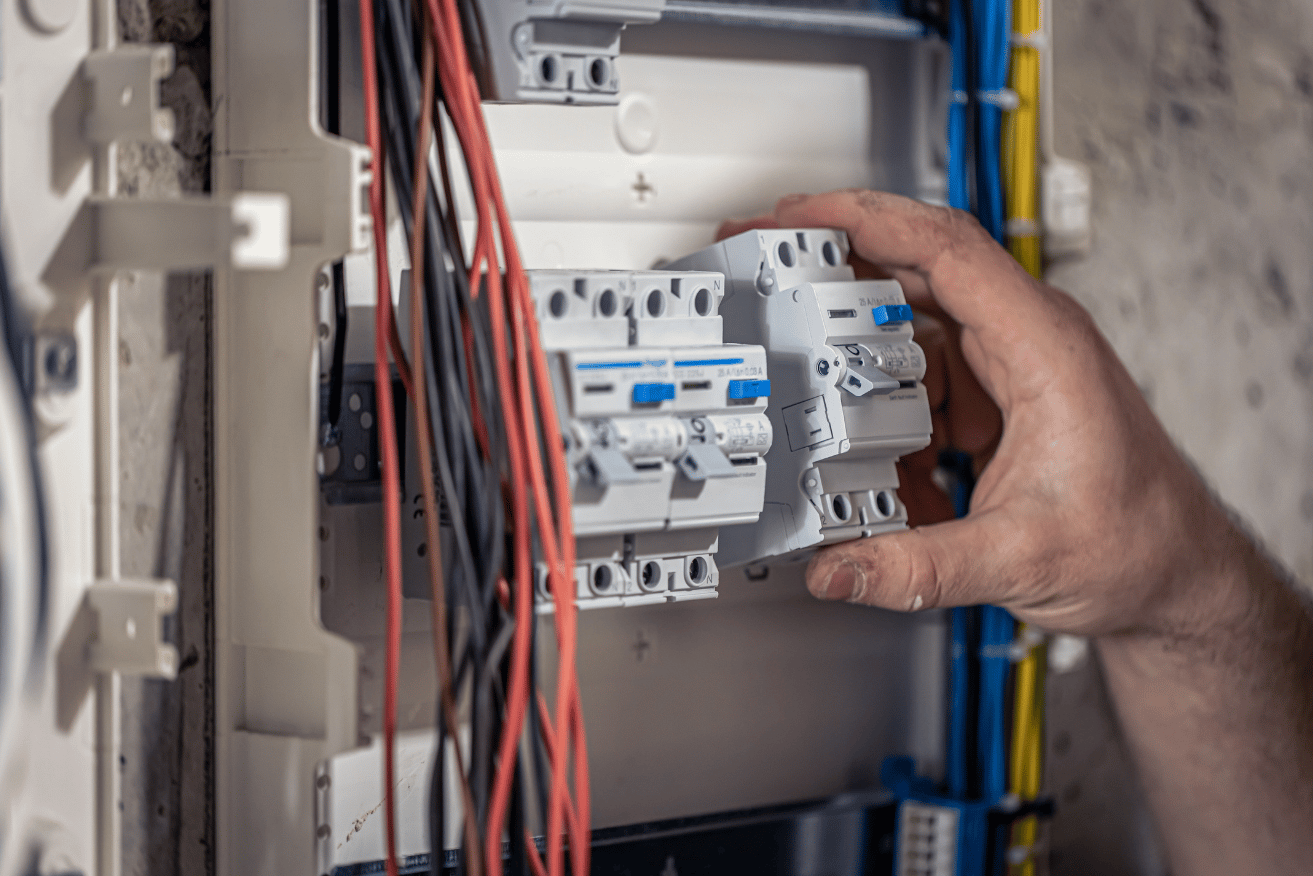
Whole-home surge protection, on the other hand, is installed directly at the electrical panel. It protects everything that is connected to your home's wiring. This includes large appliances and HVAC equipment that point-of-use strips can't reach. Whole-home protection serves as the first line of defense. It catches a surge before it reaches smaller protectors or individual devices, protecting the entire house at the source rather than each device one at a time.
What to Do During Storm Season
- Have your panel inspected. An outdated or overloaded panel is more vulnerable to surge damage. If your home has experienced frequent outages this season, you should have it evaluated as soon as possible.
- Install whole-home surge protection. This is the single most effective way to protect your home. It typically pays for itself the first time it prevents a major appliance failure.
- Keep point-of-use protectors on sensitive electronics. Whole-home and point-of-use protection work together to offer extra protection.
- Unplug what you can before major storms. When we have a direct hit to the area, you can be almost positive that power outages will occur. It’s a good idea to unplug non-essential electronics ahead of time.
- Watch for warning signs after storms pass. Flickering lights, resetting electronics, or appliances not running properly are all reasons to schedule an inspection.
Protect Your Home During Peak Season
Storm activity is peaking right now. There is no time to waste in having your electrical system evaluated for surge protection. Parker Services installs whole-home surge protection and can inspect your panel. We will make sure your home is protected through the rest of hurricane season and beyond.
Contact Parker Services today to schedule a surge protection consultation!
%20Affects%20Your%20Home%20Comfort%20in%20Tallahassee.png)