Indoor Air Quality
February 23, 2026
Spring Allergies? How Upgrading Your HVAC Filter Can Help
Spring is in the air, but so are allergens! They don't have to be inside your home, though. Indoor air quality plays a starring role in your comfort and health, so it's important to keep it as clean as possible. Did you know that upgrading and using the right type of air filter in your HVAC can help?
Let's discuss spring allergies and how the right HVAC filter, at the right time, can improve air quality and reduce allergens in your home.
Understanding Spring Allergies
It can seem as though every season is allergy season here in Tallahassee and the surrounding areas. Among the leading causes of chronic disease, allergies rank sixth in the U.S., according to the Asthma and Allergy Foundation of America. Common symptoms can include sneezing, congestion, nasal and respiratory issues, skin reactions, and even difficulty sleeping.
While outdoor air quality is often given credit, indoor air quality is another important factor in combating seasonal allergies. The air inside your home can contain several allergy triggers. Some common triggers include:
- Mold
- Volatile organic compounds (VOCs)
- Chemicals
- Certain gases (ozone, radon, carbon monoxide)
- Trapped outdoor pollutants
There are four primary factors that affect your indoor air quality:
- Ventilation
- Filtration
- Humidty
- Presence of allergens
With the right HVAC system and accessories, you can effectively manage care of at least three of these. The right HVAC filter can make a remarkable difference.
The Role of HVAC Filters
We've all heard that you should change out your HVAC filter at specific intervals. For standard filters, the recommended replacement time is every 1-3 months. Some high-efficiency filters may last longer, but during allergy season, when pollen and dust levels are high, it's a good idea to check them monthly. Homes with smokers and pets often need more frequent changes.
Your HVAC system pulls air from your home, filters it, heats or cools it, and returns it to your living spaces. The filter captures dust, pet dander, mold spores, pollen, and other pollutants in the process. By removing these irritants from the air, your filter can reduce allergy-related symptoms, making your house feel cleaner throughout the season.
Benefits of Upgrading Your HVAC Filter
If you have a newer system, chances are good that there were quite a few options offered in terms of a filtration system. If you have an older system or went with a less protective option, there is still time to upgrade. Upgrading your HVAC filter offers significant benefits for your home's comfort and air quality:
Reduce Allergens and Irritants - A high-quality filter captures common allergens like dust, pet dander, and mold spores. This helps to reduce allergy symptoms throughout your home.
Improve Indoor Air Quality - By filtering out a greater quantity of contaminants, the right filter creates a cleaner, healthier environment.
Protect Your HVAC System - By trapping debris, the right filter helps keep fans, coils, and ducts cleaner. This provides long-term cost savings and extends the life of your HVAC system.
Boost Energy Efficiency - A clean filter keeps air moving freely through your ducts. This helps your system work more efficiently, potentially lowering energy costs.
Choosing the Right Filter
Selecting the right filter for your system is key to achieving the greatest overall improvement in the quality of your indoor air. All filters are not created equal, so it's important to understand all your options. Armed with this information, Parker Services can help you choose a filter that balances performance, comfort, and maintenance needs while keeping allergens to a minimum.
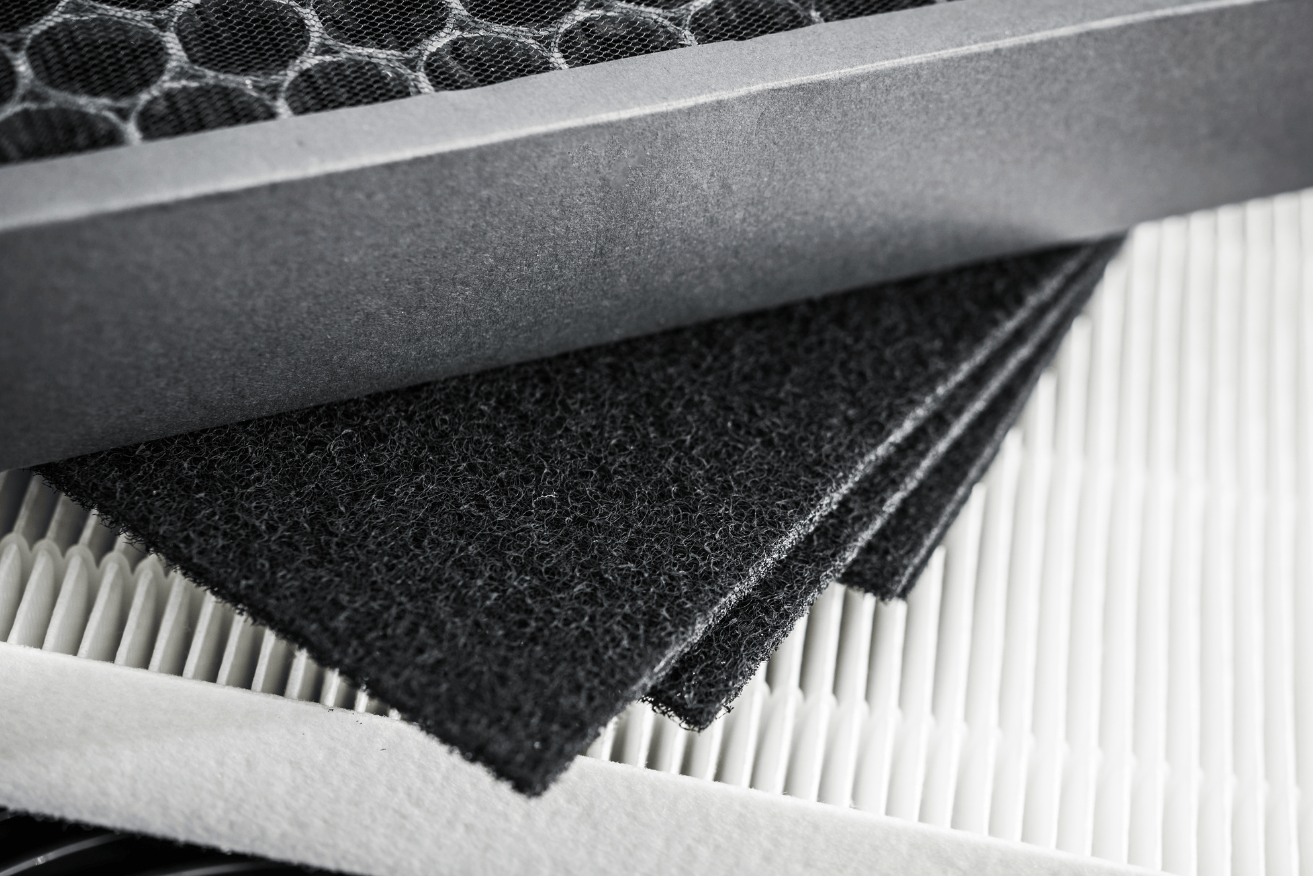
Higher MERV-Rated Filters - MERV rating measures how well a filter captures particles. Upgrading from a standard 6-8 MERV to an 11-13 MERV captures significantly more small particles like pollen, dust, and dander.
HEPA (High-Efficiency Particulate Air) Filters - A HEPA filtration system is ideal for households where asthma and allergies are an issue. These capture 99.97% of particles as tiny as 0.3 microns.
Pleated Filters - Pleated filters are easy to install and change. They have more surface area than flat models, so they capture more particles. They can also improve airflow efficiency.
Electrostatic Filters - Utilize static electricity, which attracts and traps particles. Some models are reusable and provide strong filtration with minimal airflow reduction.
Smart Filters - Some modern filters work with smart devices and HVAC systems to track air quality. They can tip you off when it’s getting close to, or it's time for a change. This is a convenience that helps keep your system running at full efficiency.
Get a Leg Up On Allergy Season With Parker Services
Don't wait until the season is in full swing to upgrade your filtration system. Assessing your situation now will enable Parker Services to guide you through the process and prepare you for the oak pollen ahead. Your car may be covered in yellow dust, but your home doesn't need to be. Contact us today for a consultation on your options and stay ahead of allergy season!